
$3 Deposit Casinos in New Zealand: What to Know
 Available in US
A small top-up does not establish a casino’s licensing status or guarantee a bonus, and payment options can affect how far it goes.

Table of Contents
- What a $3 Deposit Means in New Zealand in 2026
- Why a $3 Minimum Deposit Does Not Guarantee a Bonus
- How Far Can Three Dollars Go?
- Real-Money Play on Mobile: Know the Limits Before You Start
- Why a $3 Minimum Is Uncommon at New Zealand Casinos
- Payment Methods That Can Accept a $3 Top-Up
- How to Judge a $3 Deposit Offer Without Chasing a ‘Best’ Pick
What a $3 Deposit Means in New Zealand in 2026
A $3 deposit is simply a small amount of money added to a casino account. It does not, by itself, tell you whether the operator may serve New Zealand customers, whether the site has a New Zealand licence, or what rules apply to your account. In 2026, those questions matter because the country is moving from a market without domestic online casino licensing to a new licensing regime.
The Online Casino Gambling Act 2026 took effect on 1 May 2026. It creates a framework under which online casino operators can be licensed in New Zealand, but the change is not an instant switch from unlicensed to licensed services. In 2026, no online casino holds a licence from the Department of Internal Affairs (DIA), so a site cannot truthfully describe itself as licensed by the New Zealand regulator that year. A deposit offer, including one for $3, does not alter that status.
It is important to distinguish the rules for a player from the rules for an operator. The Gambling Act 2003 is directed at businesses running online casinos from within New Zealand; it does not make it an offence for an individual in New Zealand to play at an overseas site. That does not mean an overseas operator has a New Zealand licence or that the country supervises its service. In the period before the new Act, online casino gambling provided from outside the country was not licensed or overseen by a New Zealand regulator.
If you’re considering a $3 casino deposit in New Zealand, use this list as a starting point and check each casino’s current deposit terms before you sign up. The details provided here are limited, so confirm whether your preferred amount is accepted.
License: Malta Gaming Authority, licence no. MGA/B2C/394/2017 N1 Casino is listed with a Malta Gaming Authority licence, number MGA/B2C/394/2017.
License: Tobique Gaming Commission, licence no. 0000002 Ricky Casino is listed with a Tobique Gaming Commission licence, number 0000002.
License: Tobique Gaming Commission, licence no. 0000064 Neospin is listed with a Tobique Gaming Commission licence, number 0000064.
License: 07017519840 · Payout speed: 1-3 business days Zotabet is listed with licence identifier 07017519840. Its stated payout speed is 1–3 business days.
License: Malta Gaming Authority, licence no. MGA/B2C/370/2017 Play Grand is listed with a Malta Gaming Authority licence, number MGA/B2C/370/2017.
Payout speed: 1-3 business days Wintino’s stated payout speed is 1–3 business days.
License: Tobique Gaming Commission, licence no. 0000091 7Bit Casino is listed with a Tobique Gaming Commission licence, number 0000091.
License: Curaçao Gaming Authority, licence no. OGL/2024/165/0185 BitStarz is listed with a Curaçao Gaming Authority licence, number OGL/2024/165/0185.
Payout speed: 1-3 business days Lamabet’s stated payout speed is 1–3 business days.
The new law also includes a transition for operators already serving people in New Zealand before it came into force. Those providers may continue during the transition, which runs from 1 May to 1 December 2026. The permission is time-limited: after 1 December, a provider may keep operating during the process only if its licence application is under consideration. A provider that has not applied by then must stop serving New Zealand players. This transition concerns what operators may do; it does not turn an individual player’s account into a locally licensed one.
The planned licensing system is limited in scope. New Zealand may issue up to 15 platform licences, with each licence applying to one brand. That is a cap on the licensing framework, not evidence that licences have already been granted. The DIA administers the programme, but in 2026 the absence of a DIA licence means there is no licensed online casino market to choose from yet.
For timing, a specialist review has projected that the first licensed sites will go live during 2027. Treat that as a forecast rather than a confirmed launch date: the transition and licensing process do not mean a particular site is already approved or that licensed services are available throughout 2026. The practical distinction is between a provider allowed to continue temporarily under transitional provisions and a provider that has obtained a licence under the new system. They are not the same status.


So, when you see a $3 deposit casino offer described as available to New Zealand players in 2026, read the deposit amount and the operator’s legal position as separate matters. The small sum may describe what an account accepts, but it cannot establish that the operator holds a domestic licence. In this transition year, no operator can claim to hold a DIA online casino licence, even where an existing offshore service may continue under the temporary rules.
That distinction is especially useful when a site’s wording is broad or unclear. “Available in New Zealand” may describe access, not New Zealand approval. Likewise, a reference to the new Act does not prove that the operator has been licensed under it. The law has begun, but licensing is a process with a transition period, and the first licensed services are expected later.
For you as a player, the legal position is not that making a $3 deposit is itself prohibited. Playing at an online casino is not an offence for individuals in New Zealand. The separate issue is whether the operator is permitted to serve customers here at that point in the transition. Keeping those two questions apart avoids treating a low deposit as a signal of regulatory status, or mistaking an operator’s temporary ability to continue for a completed New Zealand licence.
Market New Zealand
Minimum Deposit $3
Licensing Status Transitioning (DIA licences expected 2027)
Age Requirement 18+
Why a $3 Minimum Deposit Does Not Guarantee a Bonus
A low minimum deposit tells you what may be needed to add money to an account. It does not tell you whether that payment qualifies for a promotion. A casino can accept a $3 deposit for ordinary play while setting a higher threshold for a welcome offer. The promotion may also have its own rules about eligible games, wagering, expiry and withdrawals.
That distinction matters if you are looking for a $3 deposit casino bonus. The deposit option and the bonus offer are separate terms, even when they appear on the same page. Before paying, check the promotion’s conditions rather than assuming that the smallest amount accepted by the cashier will activate it.
The promotion can set a higher threshold
Many online casinos in New Zealand require a deposit of $10 or $20 to claim a promotion, and some bonuses set a minimum deposit of $10 or more. So a $3 deposit online casino may let you fund your account without making you eligible for its advertised welcome offer.
Look for the promotion’s stated qualifying deposit, not just the account’s minimum. If the offer requires more than you plan to deposit, the smaller payment may leave you with real-money funds but no bonus. If the terms are unclear about whether the amount applies to one deposit or another condition, do not assume the offer will be added automatically.


A headline can also describe a bonus that is available only to eligible customers or deposits. Read the conditions attached to that specific promotion: an offer displayed near a cashier button is not, by itself, confirmation that your payment qualifies.
Wagering changes what a bonus is worth
Receiving bonus funds does not necessarily mean you can withdraw them. A specialist review of New Zealand casino offers reports welcome-bonus wagering requirements in the range of 30x to 50x. That is a reported range, not a standard that every casino must use, so the terms for the particular offer are what count.
Wagering means you must place eligible bets to meet the offer’s stated requirement before bonus-related winnings can be withdrawn. The requirement may apply to the bonus, the deposit, or a combined amount, depending on the offer. Those different calculation bases can lead to very different totals. Check which one applies and whether all games contribute equally; the offer’s own rules should explain what counts.
Specialist reviews also report that most bonuses promoted for a $3 deposit come with wagering conditions before withdrawal. Treat that as a reason to inspect the rules, not as proof that every offer works the same way. If you cannot tell how the wagering target is calculated, the headline bonus amount alone gives you little basis for judging its value.
- Check the specific promotion’s qualifying deposit amount
- Review the wagering requirements before playing
- Set a personal stopping point based on your budget
- Assume a $3 deposit automatically activates a bonus
- Use a low deposit as a sign of regulatory approval
- Chase losses to reach a withdrawal threshold
Check the clock as well as the target
A bonus can have more than one deadline. Some promotions require you to claim the offer within a stated period, while others set a time limit for using the funds or completing wagering. A specialist review reports that deadlines of this kind appear in some offers. The timing can vary, so check the actual terms before you deposit.
Bonus funds may also expire. A specialist review reports expiry periods ranging from 7 to 30 days, depending on the site. That does not mean every promotion uses those exact terms. It does mean you should look for an expiry date and understand what happens if the wagering conditions are not met in time.
A short deadline can make an offer impractical if you do not expect to play enough to meet its requirements. Do not treat the presence of a bonus balance as money you can safely withdraw later: its availability may depend on completing the stated steps before the deadline.
Promotional winnings may be capped
Even after meeting wagering conditions, a promotion may limit the amount you can withdraw from bonus-related winnings. Specialist reviews have noted some online casino sites with promotional withdrawal caps around $100 or $200. Those figures are examples reported in reviews, not a promise that a particular offer has either cap.

Find out whether a cap applies, what winnings it covers and whether the original deposit is treated differently. Also check whether the cap is linked to completing the wagering requirement. If you cannot identify the maximum withdrawal allowed under the offer, you cannot judge the promotion from its advertised bonus alone.
For a 3 min deposit casino, the useful question is not simply whether the cashier accepts $3. It is whether the promotion accepts that deposit, what you must do before withdrawing, how long you have, and whether a winnings limit applies. The terms answer those questions; the minimum deposit does not.
How Far Can Three Dollars Go?
A $3 balance is best understood as a short playing allowance, not a promise of a particular session length or return. At a $0.20 stake per spin, the arithmetic gives about 15 spins if every spin costs the same and no winnings are added back. At $0.50 per spin, it gives about six. A specialist review gives these figures as a guide to how quickly the balance can be used.
Those counts are not forecasts of what will happen on a game. A win may add money to the balance, while a run of losing spins can use it sooner than expected. Game features may also affect the amount deducted on a spin, so check the stake shown before you play. If you raise the bet, the same $3 runs out faster; if you lower it, it can cover more spins, provided the game allows that stake.
Provides approximately 15 spins if no winnings are added.
Provides approximately 6 spins if no winnings are added.
The useful comparison is between the stake and the whole balance. At $0.20, each spin uses a noticeable part of $3. At $0.50, each uses a much larger share. That leaves little room to continue if the balance falls, and a single result does not make the next spin more likely to pay. Treat the stated spin counts as simple division, not as a target to reach or a reason to keep playing after the money is gone.
The balance is not the same as a session limit
A deposit amount tells you what has been added to the account; it does not decide how long you should play. Before starting, set a stopping point that fits the amount you are comfortable losing. With only $3 available, that may mean accepting that the session could end quickly. Do not add more just to recover a loss or to reach a round number of spins.
It also helps to distinguish the displayed account balance from money you can actually withdraw. A balance may be too small to meet the site’s withdrawal threshold, even if it remains in your account. A specialist review reports that minimum withdrawals at many online casinos serving New Zealand exceed $10. That is a materially higher figure than a $3 starting balance: even if play leaves you with money, you may not be able to request a payout until the balance meets the applicable minimum.

The threshold is set by the individual casino, so check the withdrawal rules before treating a small balance as cash you can take out. A withdrawal minimum can make a modest win impractical to collect on its own. It does not mean that you should keep playing until you reach the required amount. More play can reduce the balance instead of increasing it, and there is no assured route from a $3 deposit to a withdrawable sum.
Consider the gap between funding and cashing out
Specialist reviews describe a $3 minimum deposit as uncommon among New Zealand casino options, with many listed minimums falling between $10 and $20. That comparison is useful when deciding whether a small balance is realistic: the amount you hope to play with may be below the amount an account will accept. The stated minimum can also differ by transaction or account conditions, so confirm the figure shown for the particular option before proceeding.
Even where a casino accepts $3, the deposit does not automatically make the balance suitable for a longer session or a withdrawal. These are separate thresholds: one governs what you can add, another governs when you can take money out. A low entry point therefore does not remove the practical gap between a small starting balance and a larger payout requirement.
For a simple check, compare three things before playing: the cost of each spin, the balance you are prepared to lose, and the withdrawal minimum. If the bet size uses the balance quickly, or the withdrawal threshold is far beyond what you expect to hold, decide whether that arrangement still makes sense to you. You are not obliged to use every available spin, and stopping with a remaining balance is preferable to spending more solely to reach a threshold.
Final Summary
- A $3 deposit is a small playing allowance, not a guarantee of profit or session length.
- Deposit minimums and bonus eligibility are separate thresholds.
- Most New Zealand casinos have higher minimums for bank card transactions and promotions.
- Always check the withdrawal minimum before deciding to play.
A $3 deposit can provide a limited amount of play at the stated stakes, but it cannot guarantee a particular number of outcomes, a profit, or a withdrawable balance. Keep the arithmetic in view, read the site’s own minimums, and make your decision before the balance is in play.
Real-Money Play on Mobile: Know the Limits Before You Start
A real-money session on your phone uses funds that can be lost, not a separate kind of play with softer consequences. The smaller screen changes how you access a game, but it does not make the balance less real or guarantee that it will last. If you are considering a $3 deposit, decide in advance whether you can accept losing that entire amount. Do not treat a short session or a small stake as a promise of a small loss.
Mobile play can make it easy to continue without pausing to think about the money already spent. Set a firm limit before opening a game and stop when you reach it. Do not add funds simply because a session has gone badly or because a win seems close. A balance can be used up quickly, and there is no reliable way to predict when a game will pay. If you find yourself changing the limit you set, step away rather than trying to recover the loss.
The age threshold matters even for a small amount. You must be at least 18 to gamble at an online casino in New Zealand. A low deposit does not create an exception, and being able to open a game on a mobile device does not establish that you are old enough to play. If you are under 18, do not use an adult’s account or payment details to take part.

A phone can also make it harder to keep track of what is happening. Keep the session deliberate: check the balance, make each decision yourself and pause if you feel rushed or distracted. Every spin should be started manually; do not use autoplay. That keeps the next stake from being placed automatically while your attention is elsewhere. If you cannot clearly see the stake or current balance on the screen, stop and check before continuing.
The way a win is displayed matters too. A return equal to or below the stake is a loss, not a reason to celebrate. It has not increased your balance, even if the game presents an animation or sound that makes the outcome feel positive. Look at the actual amount returned against the amount wagered. A presentation effect should not persuade you to continue or make a losing result seem like progress.
A small balance can be especially easy to misread on a mobile screen. Watching a sequence of outcomes may make a session feel longer or more promising than the account balance supports. Keep your attention on the money remaining, not on the number of games played, the visual effects, or the possibility of a future win. If the remaining funds are gone, the session is over; a new deposit is a new decision, not a way to reverse the previous result.
Attention Gambling winnings are generally not subject to income tax in New Zealand, but this does not mean gambling is a reliable source of income.
Tax is a separate question from whether a session ends in profit. For most recreational players, gambling winnings are generally not subject to New Zealand income tax. That general treatment does not turn gambling into income you can rely on, and it does not mean that every person’s circumstances are identical. If gambling is part of a wider business or income-earning activity, do not assume that the recreational-player position applies to you; seek advice based on your circumstances.
Keep the practical distinction clear: a possible tax treatment of winnings does not protect your deposited money, and a small stake does not make the outcome predictable. The $3 is still money you have chosen to risk. Make that choice only when you are old enough, understand that the full amount can be lost, and can stop without chasing it. Mobile access may put the game within easy reach, but it should not remove the pause that lets you decide whether continuing is right for you.
Why a $3 Minimum Is Uncommon at New Zealand Casinos
A casino may advertise a low minimum for adding money to an account, but that does not mean every way of paying—or every offer attached to the account—will accept the same amount. These are separate thresholds, set for different purposes. The amount that can be credited to your balance may therefore be lower than the amount required to use a particular payment route or qualify for a promotion.

A specialist review of New Zealand casinos reports that some sites accept a $3 deposit. That is a reported option, not a reliable expectation across the market: the same review describes a $3 minimum as uncommon, with deposit floors more often starting at $10 to $20. Even where a low threshold is available, it is worth checking which transaction it applies to. A figure shown beside the account’s general deposit information may not apply to every payment method listed on the cashier page.
Bank card payments illustrate the distinction. A specialist review reports that the minimum deposit through bank cards is above $3 on most platforms it examined. So a casino might allow a small account top-up in principle while requiring a larger amount for a card transaction. The general account minimum and the payment-specific minimum are not contradictory; they answer different questions.
Before you pay, look for the minimum displayed beside the exact method you intend to use. If the cashier gives a range, a separate threshold, or an error message after you enter an amount, do not assume the lower figure elsewhere on the site overrides it. A small difference in wording can matter: “minimum deposit” may refer to the account overall, while a payment page may set its own minimum for that transaction.
Promotions introduce another independent threshold. A specialist casino review reports welcome offers and other promotions with minimum deposits of $10, sometimes $20 or higher. In that situation, a $3 payment could meet the account’s funding requirement but still fall short of the promotion’s entry condition. The offer’s headline does not change the amount the cashier will accept, and an account deposit that goes through does not prove that a bonus has been activated.
Payment Methods
Some digital payment systems in New Zealand allow deposits starting at $2–$3, with funds appearing almost immediately.
Keep the two checks separate. First, confirm that the amount can be deposited through your chosen route. Then, if you are considering an offer, read the promotion’s own eligibility terms to see whether that deposit qualifies. A low account minimum should not be treated as evidence that a promotion will apply. Likewise, seeing an offer on a casino’s page does not mean every deposit amount is eligible.
The gap is easy to miss because casinos can present these figures in different places: a general payments page, a cashier, or the terms for a particular promotion. Those details can also change, so a figure encountered in a review may not match the conditions shown when you are ready to deposit. Use the current cashier and offer terms as the practical check, rather than relying on one minimum mentioned in a general description.
If you are trying to keep the amount small, pause if the route you want requires more than you planned to deposit. Do not increase the payment simply to make a method or promotion available unless you are comfortable with the larger amount and its conditions. A $3 minimum, where reported, describes a possible entry point—not a promise that every transaction or offer will work at that level.
Payment Methods That Can Accept a $3 Top-Up
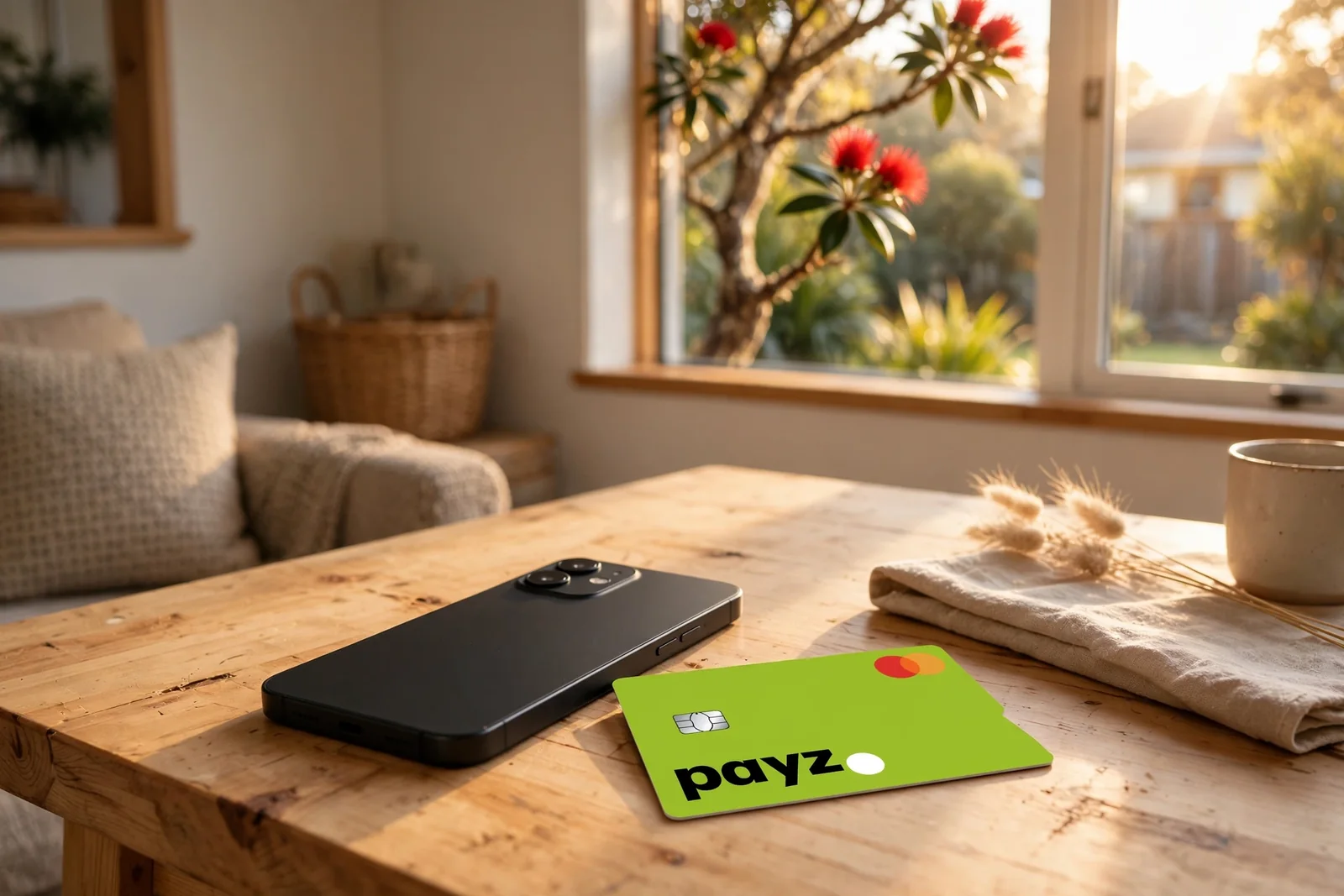
A low account minimum does not mean every way of paying will accept the same amount. A specialist review reports that some digital payment systems serving New Zealand accept deposits starting at $2–$3, with funds appearing in the casino account immediately or within seconds. That can make a small top-up possible where the cashier supports the method and its own minimum is low enough.
Treat that figure as a reported threshold, not a promise that every casino or payment provider will accept your transaction. The amount shown in a payment review may not match the limit currently displayed in the cashier. Before you proceed, select the method and check the minimum on the deposit screen. Also confirm that the payment account is in your name and that the currency and any conversion shown are acceptable to you.
Digital wallets and bank cards
Digital wallets can have lower deposit thresholds than bank cards, but the casino sets the limits it accepts for each method. A specialist review reports that bank-card minimum deposits on most New Zealand platforms sit above $3. If a card is your only available option, a $3 account minimum may therefore be irrelevant: the card transaction could be rejected because it falls below the cashier’s floor.
Do not assume that using a digital wallet solves every issue. Skrill and Neteller are examples of e-wallets, and a casino may treat wallet deposits differently from other payment types. Before depositing, check whether the chosen method is excluded from a promotion. A payment going through successfully does not mean it will count towards an offer.
Withdrawal Timings
Skrill and Neteller withdrawals typically arrive within 24 to 48 hours, though this is a reported timing rather than a guarantee.
Processing a withdrawal
Deposit speed is only one part of the payment experience. A casino may credit a digital deposit within seconds, while a withdrawal still requires processing. A specialist review reports that Skrill and Neteller withdrawals typically arrive within 24 to 48 hours. That is a reported timing, not a guaranteed arrival window: the casino’s own review process and the payment provider can affect when money reaches you.
The same distinction matters with cryptocurrency. A specialist review reports that such withdrawals are often processed within an hour, but “processed” does not necessarily mean the funds have reached your wallet. Network confirmation and the casino’s checks can affect the complete transfer. You would also need to understand how the payment is handled before choosing it; a short reported processing time alone is not enough to judge whether it suits you.
For any method, read the cashier’s withdrawal rules as well as its deposit limits. If you deposit a small amount, the payment route may still have its own conditions for sending money back. Keep the details of the method you used, and check that the casino accepts withdrawals to that same route before paying in.
A $3-capable payment option is useful only if it works for the transaction you intend to make. Confirm the deposit minimum in the live cashier, consider how withdrawals are handled, and check whether the method affects any promotion you may be considering. The payment threshold answers whether you can fund the account with that amount; it does not settle the other conditions.
How to Judge a $3 Deposit Offer Without Chasing a ‘Best’ Pick
A low deposit can look appealing, but the amount accepted into an account and the amount that qualifies for a promotion are separate things. Before paying, check the promotion’s own rules rather than assuming that a $3 deposit unlocks it. Many offers set a higher qualifying threshold: some casinos require at least $10 or $20 before a promotion can be claimed.

Read the terms for the specific offer, not just the headline. Confirm the minimum deposit, whether you must opt in, and whether the offer applies to the payment method you plan to use. If the terms do not clearly say that your deposit qualifies, do not treat the bonus as part of your available balance.
Next, check what happens after a bonus is credited. A specialist review reports that wagering requirements are attached to most $3 deposit casino bonuses it covers, and that those requirements must be completed before withdrawal. The exact conditions can vary, so find out which bets count and whether the requirement applies to bonus funds, winnings, or both. A bonus that cannot be withdrawn until conditions are met may be less useful than the headline suggests.
Look for time limits as well. A specialist review notes that some promotions set deadlines for claiming or using a bonus and finishing its wagering requirements. Check when the clock starts and what happens if you do not complete the conditions in time. If the deadline is unclear, ask the operator before accepting the offer.
Finally, judge the offer by what you are willing to spend without the bonus. Do not add funds simply to reach a promotion’s threshold unless that larger deposit fits your own limit. If you would not make the deposit without the advertised extra, pause and read the terms again.
There is no single offer that is best for everyone. A useful low-deposit offer is one whose qualifying deposit, conditions and deadlines are clear to you before you pay. If any of those details are difficult to find or understand, it is reasonable to skip the promotion rather than rely on its headline.
Can you win real money at online casinos with a $3 minimum deposit?
Yes, some casinos accept $3 deposits, and you can play with the money you deposit. Check the casino’s withdrawal rules, as minimum withdrawal amounts are often higher than $10.
What are the best payment methods for $3 deposits?
Digital payment systems are the most likely to accept deposits of $2–$3, and deposits are often credited immediately or within seconds. Bank card minimums are usually above $3.
What are wagering requirements at $3 minimum deposit casinos?
Welcome bonuses commonly have wagering requirements of 30x to 50x, and most bonuses must be wagered before you can withdraw. Check the specific promotion’s qualifying deposit, expiry and withdrawal conditions before claiming it.
How can players find the top $3 deposit sites in New Zealand?
Check whether the site accepts a $3 deposit, then review the payment, bonus and withdrawal terms. In 2026, no online casino holds a New Zealand DIA licence, so do not treat a site’s availability to New Zealand players as proof of local licensing.
Are online casinos legal in New Zealand?
Playing at an online casino is not an offence for individuals in New Zealand. In 2026, no online casino holds a DIA licence; the new licensing regime is being introduced, with the first licensed sites expected during 2027.
Created by the ”Casino Expert NZ” editorial team.