Best Ethereum Casinos in New Zealand: How ETH Payments Work
 Available in US
A practical guide to paying with Ethereum at online casinos in New Zealand, from sending funds and checking a site’s status to reading bonus terms before you claim.

Table of Contents
- How ETH Deposits and Withdrawals Work
- New Zealand’s Online Casino Rules in 2026
- What Makes a Casino an Ethereum Casino?
- Checking an Ethereum Casino Site’s New Zealand Status
- Using ETH Alongside Other Crypto Payments
- Confirming That a Casino Accepts ETH
- Playing Casino Games with ETH
- Read the Ethereum Casino Bonus Terms Before You Claim
- Live Dealer Play on Licensed Sites
- No-Deposit Offers and a Careful ETH Casino Choice
How ETH Deposits and Withdrawals Work
Sending ETH to an online casino involves two separate steps: you request or prepare the transfer through the casino’s payment page, then authorise it from your own crypto wallet. A withdrawal reverses the direction. In both cases, the transfer is made on Ethereum, and the network charges a gas fee in ETH for every transaction. That fee is separate from the amount you intend to send or receive.
Depositing ETH
When you choose ETH as the deposit method, the casino’s payment page gives you instructions for funding your account. These may include a destination address or a QR code containing the address. Treat those details as the destination for that deposit, not as information to copy from an old transaction or an unrelated message.
Open your wallet and enter the casino’s destination details. Before you approve anything, compare the address shown in your wallet with the one supplied on the payment page. Crypto transfers are not like card payments: an incorrect address can send funds somewhere you cannot recover them. Check that you have selected ETH and the instructed network, too. Do not assume that a wallet’s similarly named token or network is interchangeable with Ethereum.
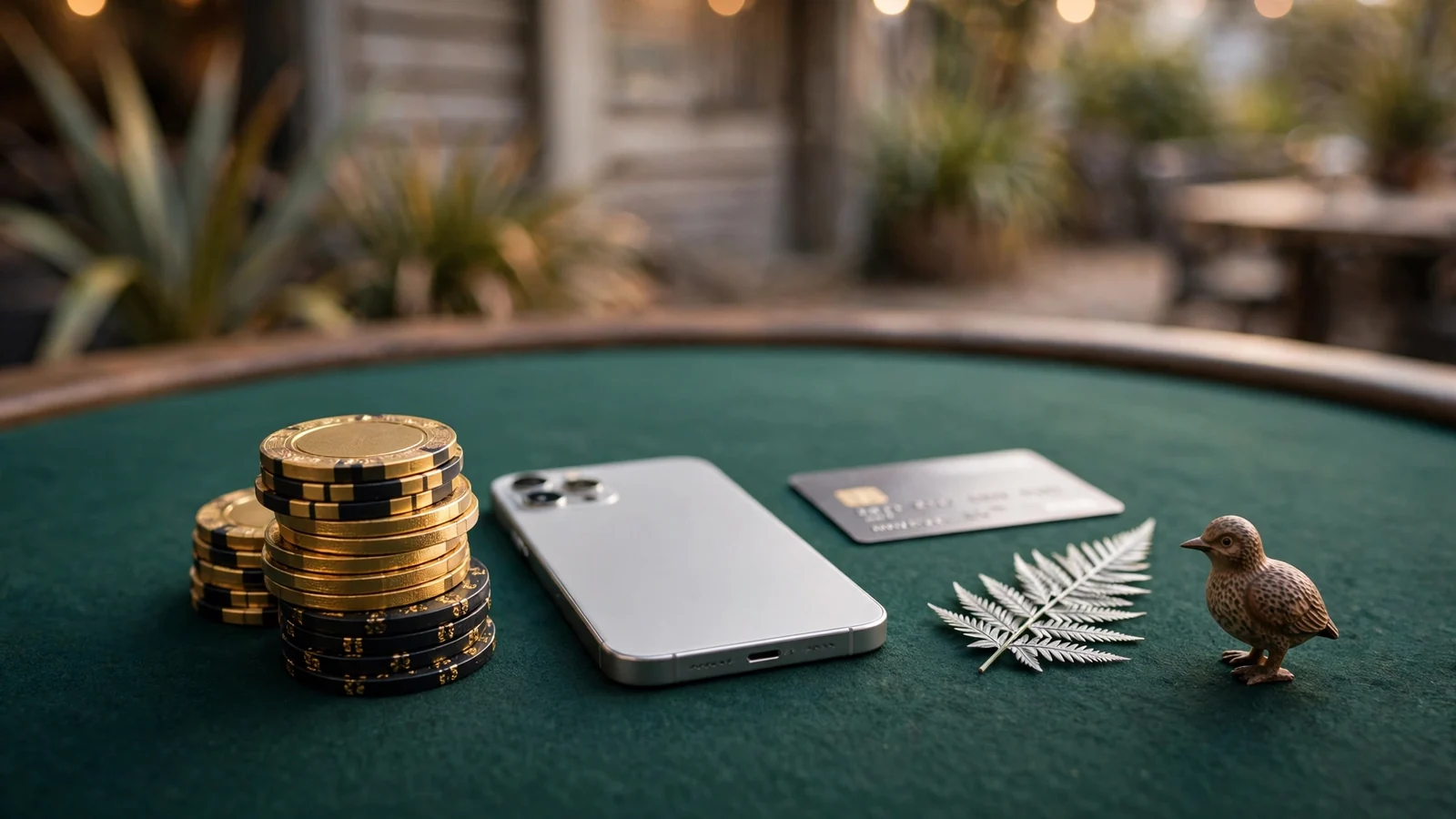

Enter the amount you want to send, then review the wallet’s transaction summary. It should show the amount being transferred and the gas fee. The fee is paid in ETH to process the transaction; it is not part of the casino balance you are trying to fund. Your wallet needs enough ETH to cover both the transfer amount and the fee. If it does not, the transaction may not go through.
Once you approve the transfer, your wallet submits it to the Ethereum network. The casino may show the deposit as pending while it waits for the transaction to be recorded and recognised. A specialist review reports confirmation in roughly one to a few minutes, but that is a report from one review, not a timing guarantee. Network conditions and the casino’s own payment processing can affect when a deposit appears as available. If your wallet shows the transfer as sent but the casino balance has not updated, keep the transaction record and check the payment status before attempting another deposit. Sending again too quickly could create a second payment rather than resolve the first.
Withdrawing ETH
For a withdrawal, you submit a request through the casino’s cashier and provide the destination ETH wallet address. Use an address that you control and that can receive ETH on the relevant network. A copied address deserves the same careful check as a deposit address: compare it character by character where possible, and confirm that the wallet is ready to receive the asset you have selected.
After you submit the request, the casino must process it before the transfer reaches the blockchain. The request may therefore have a pending stage that is separate from network confirmation. Once the casino sends the ETH, the transaction can be checked in your wallet or through its transaction record. The gas fee applies to this outgoing Ethereum transaction as well. Depending on how the casino handles withdrawals, the fee may affect the amount you receive or be shown separately; read the cashier’s explanation rather than assuming the displayed request amount is identical to the final wallet credit.
A withdrawal request is not the same thing as a completed transfer. Keep its status and any transaction reference until the ETH has arrived. If the casino marks a request as sent, but your wallet has not credited it, a transaction reference can help you distinguish a network delay from a request that is still being processed. Avoid submitting repeated withdrawal requests while the first is unresolved.
Check the amount that will actually move
Before confirming either direction, look at the full transaction summary. For a deposit, consider the ETH amount and the gas fee together so you do not commit funds needed for the fee. For a withdrawal, check the amount the cashier says will be sent and whether it explains any deduction. The fee is paid in ETH on every Ethereum transaction, so a transfer can involve a cost even when you are only moving funds between your wallet and the casino.
- Compare the wallet address character by character with the payment page
- Ensure you have enough ETH to cover both the transfer and the gas fee
- Keep transaction records until the balance is updated
- Assume a similarly named token or network is interchangeable with Ethereum
- Send a second payment immediately if the first is still pending
- Treat a pending balance as proof that the blockchain transfer has completed
The casino balance and your wallet balance also serve different purposes. A deposit leaves your wallet and is credited to the casino account after processing; a withdrawal moves ETH back to the address you supplied. Do not treat a displayed pending balance as proof that the blockchain transfer has completed. Use the wallet’s transaction status and the casino’s payment status together, and keep the relevant records until they agree.
If any instruction is unclear—particularly the destination address, network, fee, or withdrawal amount—pause before approving the transaction. Once an Ethereum transfer has been sent, correcting a mistake may not be possible.
New Zealand’s Online Casino Rules in 2026
The rules around online casino gambling in New Zealand are changing during 2026. The Online Casino Gambling Act 2026 took effect on 1 May, establishing the country’s first domestic licensing framework for online casino gaming. The new system does not mean every casino that accepts New Zealand customers is already licensed locally. During the transition, the timing of an operator’s entry into the market and its steps towards applying matter.
Before the new law, the Gambling Act 2003 prevented online casinos from being based in New Zealand, but it did not make it a crime for an individual player to use an offshore casino. Offshore gambling was therefore lawful for players, while providers operating from outside the country were not licensed or supervised by a New Zealand gambling regulator. That distinction remains important: the law’s restrictions on providers should not be mistaken for a ban on individual players.

The 2026 Act introduces a route for online casino operators to obtain New Zealand licences and sets out a transition away from the earlier, unsupervised arrangement. Casinos that were already serving New Zealand customers before the Act began may continue during the transitional period, subject to its conditions. That permission is temporary, not a local licence. Providers that have not applied for a licence must stop offering online casino gambling in New Zealand by 1 December 2026. If an application is refused, the provider must leave the market rather than carry on operating.
The Department of Internal Affairs (DIA) is New Zealand’s primary gambling regulator and oversees the online casino licensing framework. The Gambling Commission has a separate licensing role: it hears and decides applications, issues licences, and approves changes to licence conditions. These are distinct responsibilities. The DIA’s oversight does not mean it is the body that grants each casino licence.
The new framework is intended to replace the transitional position with a regulated market. The DIA expects the fully regulated system to be operating during 2027. Until then, a player may encounter sites whose ability to serve New Zealand customers depends on the transition provisions rather than a completed local licence. Treating those two situations as equivalent can give you the wrong impression of the protection available.
New Zealand will make no more than 15 online casino licences available. That is a ceiling on the number of licences, not confirmation that the full set has been issued or that every operator seeking one will qualify. The licensing process includes an auction, but winning an auction slot alone does not authorise a casino to offer online gambling in New Zealand. The operator still needs the necessary permission under the licensing framework. A place in one stage of the process should not be read as proof that all requirements have been met.
The 2026 Online Casino Gambling Act established New Zealand’s first domestic licensing framework, transitioning the market away from unsupervised offshore arrangements.
For someone considering an Ethereum casino, the payment method does not change these legal distinctions. A casino’s acceptance of ETH does not establish that it holds a New Zealand licence, nor does the use of cryptocurrency exempt a provider from the country’s rules. Likewise, the fact that an offshore casino may be accessible to a New Zealand resident does not mean it is supervised by a New Zealand regulator. The relevant question is the operator’s position under the changing framework, not the currency used to fund an account.
There is also a meaningful difference between the earlier offshore market and the direction set by the Act. Before the new law, a customer wagering with an offshore website had no domestic government recourse through a New Zealand online casino licensing system. The Act creates a local framework, but its protections attach to the regulated system; they should not be assumed to apply automatically to every site operating during the transition. For disputes or concerns, knowing which regulator has responsibility for the relevant part of the system is more useful than relying on a site’s general claim that it serves New Zealand.
The transition therefore calls for careful interpretation rather than a simple assumption that all offshore gambling is prohibited, or that all currently accessible casinos are locally licensed. Players are not the target of the Gambling Act 2003’s restriction on New Zealand-based online casinos. Providers, however, face a changing set of obligations, with the transitional permission ending and the licensing regime expected to become fully operational later. In 2026, the key distinction is between lawful access for a player and the regulatory status of the provider offering the service.


What Makes a Casino an Ethereum Casino?
An Ethereum casino is defined by what it accepts and pays out: ETH must be available for both deposits and withdrawals. A site that mentions Ethereum but only lets you deposit ETH, or only offers it as a way to withdraw, does not meet that practical definition. The label is useful only when it reflects support on both sides of the account.
That distinction matters because crypto terminology can make payment options sound broader than they are. A casino may refer to digital currencies generally, or display ETH among its payment methods, without making clear whether the option works for withdrawals too. Treat the name as a description, not proof of the full service. Before relying on ETH, check the site’s own payment information for both directions.
The word “Ethereum” also describes the network associated with ETH; it does not mean the casino itself is part of that network or that every feature is operated through it. The relevant point for you as a player is simpler: ETH is the currency accepted for funding and cashing out. This definition says nothing by itself about the casino’s licensing position, the games it offers, or the terms attached to an account.
Ethereum Casino Definition
An Ethereum casino must support ETH for both deposits and withdrawals.
It is also worth separating casino winnings from what you do with ETH after cashing out. A specialist tax guide describes casual gambling winnings in New Zealand as not being taxed, while noting that actively trading the ETH received can have different consequences. The IRD treats crypto as property, so a later trade may create a tax issue depending on the circumstances. Gambling and trading are distinct activities; receiving ETH as a payout does not make every later action with it part of the original gambling.
Keep a clear record of what relates to play and what relates to later trading. If you cash out and then buy, sell, or otherwise trade the ETH, do not assume that the treatment of the original winnings automatically applies to those later transactions. For a decision about your own tax position, check current IRD guidance or speak with a qualified tax adviser.
In short, “Ethereum casino” should mean a casino that accepts ETH for deposits and withdrawals, rather than a site that merely uses the term in its promotions or payment descriptions. Confirm that both functions are supported, and keep the payment label separate from questions about regulation and tax.
Checking an Ethereum Casino Site’s New Zealand Status
Choosing an Ethereum casino in New Zealand calls for a clear look at the information available about each option. Use these verdicts as a quick reference when deciding which operators to explore further.
License: Malta Gaming Authority, licence no. MGA/B2C/394/2017 N1 Casino lists a Malta Gaming Authority licence, number MGA/B2C/394/2017. You can use this detail as a reference when assessing the casino.
License: Tobique Gaming Commission, licence no. 0000002 Ricky Casino lists a Tobique Gaming Commission licence, number 0000002. This licence information gives you a specific detail to consider.
License: Tobique Gaming Commission, licence no. 0000064 Neospin lists a Tobique Gaming Commission licence, number 0000064. You can check this licensing detail as part of your research.
License: 07017519840 · Payout speed: 1-3 business days Zotabet lists licence number 07017519840 and a payout speed of 1–3 business days. These details give you concrete points to consider.
License: Malta Gaming Authority, licence no. MGA/B2C/370/2017 Play Grand lists a Malta Gaming Authority licence, number MGA/B2C/370/2017. You can use this information as one factor in your assessment.
Payout speed: 1-3 business days Wintino lists a payout speed of 1–3 business days. This gives you a stated timeframe to consider when reviewing the operator.
License: Tobique Gaming Commission, licence no. 0000091 7Bit Casino lists a Tobique Gaming Commission licence, number 0000091. You can check this licence detail as part of your evaluation.
License: Curaçao Gaming Authority, licence no. OGL/2024/165/0185 BitStarz lists a Curaçao Gaming Authority licence, number OGL/2024/165/0185. This gives you a specific licensing detail to review.
Payout speed: 1-3 business days Lamabet lists a payout speed of 1–3 business days. You can factor this stated timeframe into your review.
A casino brand’s New Zealand status is not established by the fact that it accepts ETH, has an overseas licence or appears in a search result. The key question is whether that specific brand is authorised under New Zealand’s online casino framework. A licence for a company or one of its other brands should not be treated as covering every site it operates.
The framework is brand-specific: each licence is intended to cover a single brand, and an operator cannot receive more than three licences in the initial process. That makes the name on the site important. Compare the exact brand shown in the casino’s terms and account pages with the brand named in official licensing information. Similar names, shared ownership or a common payment service are not proof that two sites have the same status.
An auction result is not the same as permission to operate. Winning an auction slot does not, by itself, authorise an operator to offer online casino gambling in New Zealand. The Gambling Commission handles casino licensing applications and changes to licence conditions; the Department of Internal Affairs oversees the framework. Check official information from the Gambling Commission and the DIA, rather than relying only on a casino’s own claims.
The number of available licences is limited. A specialist casino review reports that the framework permits no more than 15 licensed online casinos to serve New Zealand players. Treat that as a cap, not evidence that any particular brand has secured a licence. The same caution applies to reported licence duration: web3bet.com reports an initial term of up to three years, with renewal possible for up to a further five. A stated term does not confirm that a licence has been granted or remains current.
There is also a transition to account for. Online casinos that were already serving New Zealand customers before the framework began may continue under transitional provisions until 1 December 2026. That temporary permission is distinct from a permanent licence. From that date, providers that have not applied must stop conducting online casino gambling in New Zealand; the fully licensed system is expected to be in place during 2027.
When checking a site, look for the exact brand, the regulator’s confirmation and whether the status is transitional or licensed. Do not infer New Zealand approval from an overseas licence, an application, an auction result or an ETH payment option. The licensing question concerns the brand’s authority to serve customers here; its cryptocurrency features are a separate matter.
Verify NZ Status
- Confirm the exact brand name matches official licensing info
- Check if the status is transitional or fully licensed
- Verify the regulator via the Gambling Commission or DIA
- Ensure the brand is not just using an overseas licence
Using ETH Alongside Other Crypto Payments
A casino may present ETH beside other cryptocurrencies, but the choice is not simply a matter of selecting the coin you already hold. Each option has its own payment conditions, and the practical cost of using ETH includes a network fee that is separate from any casino charge. Every Ethereum transaction carries a gas fee, paid in ETH. That applies when you use the network, so the fee is relevant to the payment choice even if the casino itself does not add a charge.
Before choosing ETH, consider whether you are comfortable holding enough ETH to cover both the amount you intend to use and the network fee. If your wallet balance is close to the payment amount, the fee can leave the transaction short. The fee is not paid in another coin, and having a balance of a different cryptocurrency does not cover it. This makes your wallet’s ETH balance part of the decision, not just the amount you plan to send to the casino.
Comparing ETH with another supported cryptocurrency means checking the terms for each option rather than assuming that one is automatically cheaper or more suitable. Look at what the casino accepts for deposits and withdrawals, whether the same asset is used in both directions, and what fees or conditions apply. Keep the currency consistent in your own records as well: a value shown in ETH can change in relation to New Zealand dollars, so the amount displayed when you make a decision may not represent the later value of the same holding.

There is also a difference between receiving gambling winnings and later trading the cryptocurrency. A specialist tax guide describes casual gambling winnings as not taxable in New Zealand, while actively trading ETH after cashing it out may have tax consequences because the IRD treats cryptocurrency as property. If you intend to hold, exchange or trade winnings, do not assume that the treatment of the original gambling result automatically covers what you do with the ETH afterwards. Check current IRD guidance or seek tax advice for your circumstances.
The most useful comparison is therefore personal: which asset you can manage, what each payment option requires, and whether you can account for the costs and any later tax considerations. With ETH, remember that the network fee is paid in ETH on every transaction. An alternative coin may avoid that particular ETH fee, but it has its own conditions; compare the actual payment terms rather than relying on a general claim that one cryptocurrency is always the better choice.
Confirming That a Casino Accepts ETH
A casino’s use of the word “crypto” does not, by itself, confirm that you can use Ethereum there. Check for ETH specifically, and treat deposits and withdrawals as separate features. An Ethereum casino accepts ETH for both: being able to send it to the site is not enough if the operator will not return withdrawals in ETH.
Start with the payment information available before you register. Look for Ethereum or ETH as a named currency, rather than a general reference to digital assets. If the details only say that crypto is supported, ask customer support whether ETH deposits are accepted and whether ETH withdrawals are available for your account. Keep the answer, especially if it sets conditions or points you to a particular payment page.
Confirming ETH Support
Look for Ethereum or ETH specifically listed as a named currency before registering.
If details are general, ask customer support if both ETH deposits and ETH withdrawals are available.
Once logged in, check the actual cashier or payment screen to confirm ETH is an available option for your intended action.
Then check the cashier or payment screen once you have access to it, before sending funds. Confirm that ETH appears as an available option for the action you intend to take. A site may present different choices for adding funds and withdrawing them, so do not assume that an option shown in one place applies to the other. If the displayed information conflicts with an earlier assurance, pause and seek clarification rather than relying on the more convenient interpretation.
Pay attention to the currency and network named on the instructions. A wallet address alone does not establish that it is the right destination for your ETH. The site’s payment guidance should explicitly identify ETH and provide instructions that match the asset you plan to send. If those details are unclear, do not guess or send a test payment without first confirming what the operator supports.
If you are using an app, check its own cashier and payment information rather than assuming the desktop site’s options are identical. An app may provide access to the account without offering every payment function in the same place. Confirm that you can both deposit and request an ETH withdrawal through the service available to you.
A specialist casino review reported ETH transaction confirmation times of roughly one to a few minutes. That is a report, not a promise about every payment: confirmation timing can vary, and it does not confirm that a particular casino supports ETH. Verify the casino’s current instructions directly before relying on that payment method.
Keep a record of the stated ETH support and any relevant restrictions. If the operator cannot clearly confirm both directions, treat ETH availability as unverified. That simple check can prevent you from committing funds on the assumption that deposits and withdrawals work the same way.

Playing Casino Games with ETH
ETH is a way to fund casino play, not a guarantee that a game itself runs on Ethereum. An Ethereum casino accepts ETH for deposits and withdrawals, while the games are offered through the casino’s own platform. Once funds are available in your account, you use the balance to play the games the operator makes available.
That distinction matters when you see a site described as offering casino games with Ethereum. It does not, by itself, establish that bets are recorded on the blockchain, that game results are independently verified there, or that every game can be played directly in ETH. The payment method and the way a game operates are separate things. Check the site’s own information to understand how it presents your balance and what payment methods it supports for play.
The same caution applies to game availability. A casino may promote a broad catalogue, but that does not confirm that a particular game or provider is available to you. Availability can depend on the operator and its arrangements. Before depositing, look at the games shown on the site and read the relevant rules; do not rely on a general claim about “Ethereum casino games” as proof of specific titles or features.
It is also worth keeping the value of your ETH in mind. A balance expressed in ETH can change in value when measured in New Zealand dollars. Consider how much you are willing to spend before you start, and avoid treating a displayed ETH balance as a fixed cash amount. If the casino shows a separate account balance or converts between currencies, make sure you understand what that display means before wagering.
Attention A balance shown in ETH can change in value relative to New Zealand dollars, so do not treat it as a fixed cash amount.
Your ETH payment does not remove the ordinary need to understand the game. Read its rules and pay attention to the stake and balance shown before you confirm a play. If the interface is unclear about whether a figure is in ETH or another currency, pause rather than guessing.
There can also be a gas fee in ETH for each Ethereum transaction. That cost relates to moving ETH, not to the rules or outcome of a casino game. Keep it separate in your calculations so the amount available for play is not confused with the amount spent on network transactions.
In short, ETH can fund casino play, but it does not tell you how a game is run, what it costs to play, or whether a specific title is available. Treat those as separate details to check before using your balance.
Read the Ethereum Casino Bonus Terms Before You Claim
An Ethereum casino bonus can look generous in its headline and still be difficult to use. Before accepting one, read the conditions attached to that specific offer. A specialist review notes that bonus offers may include wagering multiples, game contribution rules and a cap on winnings. Treat those as terms to verify, not as details that are the same across every casino or promotion.
Start with the wagering requirement. It explains how much qualifying play is required before bonus-related funds or winnings can be withdrawn. Check what balance the requirement applies to, which bets count and when the requirement expires, if an expiry is stated. If the wording does not make clear what must be wagered, ask the operator for clarification before opting in.

Next, look at game contribution. The terms may distinguish between games, so play on one type of game might count differently from play on another, or may not count at all. Do not assume that every game contributes equally. Check the eligible-games list and any stated exclusions before you play; otherwise, activity you thought was clearing the requirement may not do so.
Then find any winnings cap. A cap can limit the amount you may withdraw from bonus play, even if your balance is higher. Read whether the cap applies to bonus winnings or another defined amount, and check how the terms say it is applied. If that point is unclear, do not rely on a headline figure to tell you what you can keep.
Also check whether the bonus must be activated with a code, whether it is applied automatically, and whether claiming it changes the rules for your deposit or play. These details should be stated in the offer conditions. Keep a copy of the terms shown when you claim, so you can refer to the version you accepted if there is a later disagreement.
A sensible comparison is not simply which Ethereum casino bonus advertises the largest amount. Compare the requirements, eligible games and cap together, then decide whether the conditions suit how you intend to play. If the rules are hard to understand, declining the offer is a reasonable choice; you can avoid tying your balance to conditions you did not mean to accept.
Understanding Bonus Terms
Before claiming a bonus, verify these three key elements:
- Wagering requirements: How much qualifying play is needed before funds can be withdrawn.
- Game contribution: Which specific games count towards the requirement and if they contribute equally.
- Winnings cap: Any limit on the total amount you can withdraw from bonus-related play.
Live Dealer Play on Licensed Sites
A live dealer table may feel different from a standard online game because a human dealer runs the session, but the format does not remove the safeguards required of an NZ-licensed platform. If you are considering live play at a casino that accepts ETH, check that the site’s New Zealand status is clear and that its player-protection features are available to you. The payment method does not replace those checks.
On a licensed site, you must be at least 18 to play. The operator must also confirm your age and identity before allowing you to gamble. Treat that as part of access to the service, not a box to work around. If the site has not completed the required checks, do not assume that a live table is an exception.
Licensed operators are required to make tools available to help you control or stop play. These include deposit limits, options to take a time-out, and self-exclusion. Find them before joining a table, rather than waiting until you feel you need them. Check how to set a limit, pause access, or activate self-exclusion, and read the site’s explanation of what each choice does. A tool is useful only if you understand how to reach it and what happens after you use it.
Live play can hold your attention because the session unfolds in real time. Decide what boundaries you want in place before you start, and use the platform’s controls if your play no longer feels manageable. Do not treat a dealer’s presence or the pace of a table as a reason to keep playing.
An Ethereum live casino is still a casino service: ETH may be the payment option, while the relevant licensing and safety requirements apply to the operator and the play it offers. Avoid relying on a “licensed” label alone. Confirm that the claim relates to New Zealand and that the site provides the required protections. These checks matter whether you are looking for live dealer casinos that accept Ethereum or considering a different type of online play.

No-Deposit Offers and a Careful ETH Casino Choice
A no-deposit offer can sound like a way to try an Ethereum casino without committing your own funds. Treat it as a promotion with conditions, not as guaranteed cash or a promise of risk-free play. The label alone does not tell you whether winnings can be withdrawn, what steps are required first, or whether the offer is available to you.
Before claiming, read the terms attached to that specific promotion. A specialist casino review notes that bonus offers can include wagering multiples, game contribution rules and a cap on winnings. Check how each condition applies to the offer you are considering, and whether the rules explain what happens if you do not meet them. Do not rely on a short banner or a summary that leaves key conditions unclear. If the terms are difficult to find or do not explain how a condition works, pause rather than assuming the most favourable interpretation.

Choosing an Ethereum casino involves more than spotting an offer. Confirm that the site’s terms identify who operates it and explain the requirements for opening and using an account. Make sure the information about bonuses, withdrawals and account checks is consistent across the promotion and the main terms. A no-deposit promotion is not a reason to overlook unclear rules or provide information before you understand how it will be used.
If you are considering an NZ-licensed platform, you must be at least 18 to play. Licensed operators must also verify players’ age and identity before they can play. Be prepared for those checks, and make sure the details you submit are accurate. An offer that appears available before registration may still be subject to eligibility and verification conditions.
Do not treat a promotion as proof that a site is suitable, or assume that an advertised offer will remain available when you register. Read the conditions on the site itself and check that you understand them before accepting. If the rules are unclear, or the offer’s restrictions do not suit you, it is reasonable to leave it unclaimed. Your decision should rest on the site’s stated terms and the checks required to play, not on the promise of a bonus.
Is online gambling legal in New Zealand?
Yes, offshore online casino gambling is lawful for players in New Zealand. The 2026 law creates a local licensing framework for operators, which is expected to be fully in place during 2027.
Which network do I send ETH on?
Send ETH on the Ethereum network, and make sure your wallet uses the network specified on the casino’s payment page. Do not assume another network or similarly named token is interchangeable.
What are gas fees?
Gas fees are charges paid in ETH to process transactions on the Ethereum network. Every Ethereum transaction has a fee, separate from the amount you send or receive.
Prepared by the Casino Expert NZ editorial staff.