Real-Money Blackjack in New Zealand: Rules and Risks
 Available in US
A practical guide to wagering, blackjack decisions, game formats and keeping real-money play within a set budget.

Table of Contents
- What Real-Money Blackjack Means for New Zealand Players
- New Zealand’s Online Casino Rules and the 2026 Licensing Change
- How a Blackjack Hand Works Before You Place a Bet
- Can You Make Money Playing Blackjack?
- What Can Improve Your Blackjack Decisions—and What Cannot
- Choosing Between a Blackjack App and a Browser Game
- Blackjack Side Bets, Payouts and the Meaning of “House Money”
- Keeping Real-Money Blackjack Within a Set Budget
- Live Blackjack: Real Cards, Streaming Delays and Data Use
What Real-Money Blackjack Means for New Zealand Players
A free blackjack game and a real-money game can look similar on screen, but they do not carry the same consequences. In a free version, you use play money or credits with no cash value. A loss does not reduce your bank balance, and a win does not create money you can take out. That makes free play useful for getting familiar with an interface or enjoying a game without wagering, but it cannot show what it feels like to put actual funds at risk.
With online blackjack for real money, your balance represents funds that can be wagered. A result can therefore affect money you own: it may go down after a loss or rise after a win. A displayed balance is not the same as a guaranteed return, and a winning session does not mean that you have made a lasting profit. The key difference is not the appearance of the game but the financial consequence attached to each bet.
Choosing where to play blackjack for real money in New Zealand means checking the details that matter to you before you sign up. This list provides a concise reference to the available operator information.
License: Malta Gaming Authority, licence no. MGA/B2C/394/2017 N1 Casino is listed with a Malta Gaming Authority licence, number MGA/B2C/394/2017. You can use the licence detail as a reference when assessing the operator.
License: Tobique Gaming Commission, licence no. 0000002 Ricky Casino is listed with a Tobique Gaming Commission licence, number 0000002. You can refer to this detail when considering the operator.
License: Tobique Gaming Commission, licence no. 0000064 Neospin is listed with a Tobique Gaming Commission licence, number 0000064. The licence number is the available detail to check as you assess the operator.
License: 07017519840 · Payout speed: 1-3 business days Zotabet lists licence number 07017519840 and a payout speed of 1–3 business days. You can use these details as points to check before choosing.
License: Malta Gaming Authority, licence no. MGA/B2C/370/2017 Play Grand is listed with a Malta Gaming Authority licence, number MGA/B2C/370/2017. You can refer to the licensing information when reviewing the operator.
Payout speed: 1-3 business days Wintino lists a payout speed of 1–3 business days. This gives you one practical detail to consider when assessing the operator.
License: Tobique Gaming Commission, licence no. 0000091 7Bit Casino is listed with a Tobique Gaming Commission licence, number 0000091. You can use the licence information as a reference when considering the operator.
License: Curaçao Gaming Authority, licence no. OGL/2024/165/0185 BitStarz is listed with a Curaçao Gaming Authority licence, number OGL/2024/165/0185. You can refer to this licensing detail when reviewing the operator.
Payout speed: 1-3 business days Lamabet lists a payout speed of 1–3 business days. You can factor this stated timeframe into your assessment of the operator.
That distinction matters even when the amounts seem small. A real-money session can feel different from playing with credits because each decision now has a financial outcome. You may pay closer attention to the balance, feel more pressure after a loss, or be tempted to continue after a win. None of those reactions changes the game’s outcome; they can, however, affect how you experience it. If you want to try blackjack without that pressure, a no-money version keeps the activity separate from your personal funds.
Playing with friends without money can serve a similar social purpose. It lets you share the experience without making anyone’s balance depend on the result. Real-money play is different even if the people, table format or familiar game presentation are the same: the wager turns an otherwise recreational activity into gambling. It is worth being clear about that before joining a table, rather than treating the cash version as merely a more serious-looking free game.
New Zealand Dollar support has a practical role when you are comparing real-money options. Many international online casinos accept NZD, so a player using a New Zealand Dollar balance does not incur foreign exchange fees simply from playing in that currency. This can make the amount shown easier to interpret: you are not having to mentally convert each displayed balance or bet from another currency. It does not remove the risk of losing the money wagered, and it does not by itself say anything about an operator’s reliability or the terms that apply.

The currency shown is only one part of understanding a real-money account. Before you commit funds, read the operator’s information about how balances, wagers and withdrawals are handled, and make sure you understand which currency applies at each stage. A site showing NZD may still have conditions that matter to you. Currency support answers a practical question about denomination; it is not a substitute for understanding the service or deciding whether you want to gamble.
People looking for a way to make money from online blackjack should separate the possibility of a short-term win from an expectation of income. Real-money play gives a win monetary value, but that alone does not make blackjack a dependable way to earn. The same is true of a site that presents itself as legitimate or an app that offers a cash game: labels and presentation cannot turn an uncertain outcome into a reliable source of money. The financial meaning of a game comes from the wager and its result, not from the wording used to describe it.
If your aim is simply to learn what the game looks like, free play can help you explore without risking cash. If you choose a real-money version, regard it as gambling from the outset, not as a free game with a cash prize attached. The distinction is straightforward, but it is easy to overlook when the screens and controls look familiar. Support for New Zealand Dollars can make amounts clearer; it cannot make a wager harmless, ensure a win, or tell you whether a particular operator is right for you.
Before You Play
- Check the table’s payout (3:2 or 6:5)
- Confirm the dealer’s standing rule
- Identify the dealer’s face-up card
- Verify the minimum bet
New Zealand’s Online Casino Rules and the 2026 Licensing Change
For Kiwis considering blackjack for real money in 2026, the legal position depends partly on when a provider began serving New Zealand customers. Online casinos cannot be based in New Zealand under the Gambling Act 2003. However, people in New Zealand can gamble online with a casino based overseas; the restriction is on where the casino operates from, not on a player simply accessing an offshore site.
That distinction matters because offshore online casino gambling was not licensed or supervised by a New Zealand regulator before the new law. If a customer had a dispute with an offshore website during that period, there was no domestic government recourse for the customer. The Online Casino Gambling Act 2026 changes the framework, but it does not mean that every provider is already licensed under the new system.
The Act came into force on 1 May 2026 and established New Zealand’s first domestic licensing regime for online casino gambling. It provides for a system of up to 15 licences. The Department of Internal Affairs is responsible for allocating licences and overseeing the regulatory framework, while the Gambling Commission issues the licences and approves changes to their conditions. These are distinct roles: allocation and oversight sit with the Department, while licence decisions and amendments are handled by the Commission.
The transition to licensing
The Act includes a transition period from 1 May 2026 to 1 December 2026. During this window, online casinos that were already providing services to people in New Zealand before the Act took effect may continue operating under the transitional provisions. That temporary permission is not the same as holding a licence under the new regime.
The transition is also not a general opening for new offshore providers to enter the market. The permission applies to providers already serving New Zealand customers before 1 May 2026. From 1 December 2026, operators without a licence must stop offering online casino gambling to people in New Zealand. Providers that have not applied for a licence must also cease operating in the market by that date; if an application is declined, the provider must stop its New Zealand online casino operations and leave the market.
The full licensed system is not expected to be operating until 2027. The Act establishes the framework, but the change from the earlier position to a fully functioning domestic licensing regime takes time. Unlicensed operation is expected to become an offence around mid-2027. For a player, this means that the phrase “legal to play” does not by itself establish whether a particular casino is authorised to keep serving customers as the transition progresses. The provider’s status and the date both matter.
New Zealand’s rules also retain the distinction between a casino’s location and a player’s location. Domestic online casinos remain prohibited, while the licensing system is designed to regulate providers offering online casino services in the country. So, if you play blackjack online for real money, you are not making the provider New Zealand-based simply by accessing its site from here. The new framework concerns which providers may serve the market and under what licence conditions.
The licensing change gives New Zealand authorities a formal role in regulating online casino providers that was absent from the earlier offshore arrangement. It does not remove the need to understand that transition: permission to operate temporarily, applying for a licence, and holding an issued licence are different statuses. For real-money online blackjack, the relevant legal picture is therefore a changing one in 2026, rather than a single rule that applies identically throughout the year.
How a Blackjack Hand Works Before You Place a Bet
A blackjack hand is a contest between your cards and the dealer’s. The aim is to reach a total of 21, or get closer to it than the dealer, without going over 21. The dealer’s hand is the one you need to beat; having a strong-looking total does not settle the result until the dealer’s hand is compared with yours.
At the start, each player receives two cards face up. The dealer also receives two, with one card face down. That visible dealer card gives you some information about the hand, but not the full picture. Your own cards are in view, and you decide how to continue from there.
The available choices are hit, stand, double down or split pairs. They are different ways to respond to the cards you have been dealt, and the decision comes before the dealer completes the round.

The choices you can make
A hit means asking for another card. You might choose this when you want to improve your total, while recognising that another card can also take you past 21. The aim is not simply to draw as many cards as possible; it is to make a hand that can beat the dealer without exceeding the target.
A stand means keeping the cards you already have and taking no more. This leaves your total unchanged. You may stand when you consider your hand strong enough, or when drawing again carries too much risk of going over 21.
Double down is another permitted decision. It changes how you continue with the hand, so it is important to understand the table’s terms before choosing it. Do not treat it as just another way of asking for a card: it is a separate option with conditions attached to how the hand proceeds.
You can also split pairs when the two cards dealt to you form a pair. Splitting turns that starting pair into separate hands, which are then played individually. It changes the shape of the round: instead of making one decision for one hand, you now have to consider each hand in turn. The precise conditions for splitting can depend on the table rules, so check them before play rather than assuming every pair can be handled in the same way.
These choices are not a promise that a hand will win. They describe how you can respond to the deal; the dealer still has a hand to complete, and the result depends on the comparison between the two sides.
When the dealer takes a turn
Once players have made their decisions, the dealer’s hidden card becomes relevant and the dealer completes their hand according to a fixed rule. The dealer must draw while the hand totals less than 17. At 17 or above, the dealer must stop drawing.
That rule is different from your decision-making. You can choose whether to take another card or keep your total; the dealer does not make that choice freely. The standing rule determines when the dealer’s turn ends, allowing the hands to be compared.
Dealer’s Rule
The dealer must draw while the hand total is less than 17 and must stop at 17 or above.
For example, if your hand is already at 17, you may stand, but the dealer must also stop if their completed total reaches 17. A total of 17 is not automatically a win: the dealer may have a higher hand, or the comparison may depend on whether either hand has gone over 21. What matters is the final result under the table’s rules.
Before you play blackjack online, make sure you can identify the dealer’s face-up card, understand which decisions are available, and follow when the dealer must stop. That is enough to track the basic flow of a hand without confusing your choices with the dealer’s fixed procedure.
Can You Make Money Playing Blackjack?
You can finish a blackjack session ahead, and a run of winning hands can produce a real short-term gain. That does not mean the game offers a dependable way to earn money. Results over a short spell can swing either way; the house edge describes the longer-term mathematical advantage built into the game, not the outcome you will get on a particular visit.
One published estimate puts the house edge at approximately 0.43% under a specific set of conditions: eight decks, a 3:2 payout for a natural blackjack, the dealer standing on soft 17, doubling after a split, no surrender, and the option to resplit to four hands. The figure assumes perfect basic strategy. It is not a universal rate for every table, and it does not predict what you will win or lose in an individual session.

The edge is a theoretical average measured against the total amount wagered over many hands. It is not a charge taken from each bet, nor does it mean every player loses the same small amount. You might leave with more than you started with, or lose more than the estimate suggests. The point is that, under those stated rules and with those decisions, the casino retains a small mathematical advantage over time.
The payout for a natural blackjack can change that calculation substantially. If a table pays 6:5 instead of 3:2, the house edge rises by approximately 1.4%. That change applies to the underlying odds, not just to how generous the payout looks when a natural occurs. A table can therefore appear similar to another while offering less favourable terms. Check the payout before playing, and do not assume that every blackjack table uses the same one.
This is why winning hands do not establish that you can make lasting income from blackjack. A favourable result may reflect a good run, while a losing spell can occur even when the game’s rules are comparatively favourable. The theoretical edge gives a way to compare conditions; it cannot tell you when a run will turn or how much you will make.
There is no reliable amount that a player can expect to earn simply by choosing blackjack. The result depends on the rules, the decisions made, the stakes and how the cards fall. Even when the edge is low under a particular set of conditions, it remains an edge for the casino. Playing well can matter to the calculation, but it does not remove uncertainty or turn a gambling session into a predictable source of income.
- Treat any win as an outcome, not a repeatable earning method
- Assess the table’s payout and rules first
- Chase losses by raising stakes
- Assume a win is a predictable source of income
Treat any win as an outcome, not proof of a repeatable earning method. A sensible assessment starts with the table’s payout and rules, then recognises that the edge is a long-run measure rather than a promise about your next session.
What Can Improve Your Blackjack Decisions—and What Cannot
Before you place a bet, compare the rules rather than relying on a general claim that one approach is the best way to make money at blackjack. Details such as whether the dealer hits or stands on soft 17, how many decks are in use, and whether surrender is permitted can affect the decisions available and the game’s odds. A rule that changes when the dealer draws may alter the value of a close choice; surrender, where offered, changes how much of your stake remains at risk. Check the table rules themselves, since the name “blackjack” does not tell you which version you are playing.
Knowing those conditions can help you make decisions that fit the game in front of you. It cannot turn a wager into a reliable way to earn income or ensure you win money back after a loss. If you bet real money online, a sound decision is still made under uncertainty: a favourable choice does not guarantee a favourable result on that hand, and repeated play does not make earlier losses owed back to you. Chasing them by raising stakes is not a correction to the rules; it exposes more money to the same uncertainty.
Card counting is sometimes discussed as a way to gain information about cards remaining in play. A specialist review describes it as theoretically possible at some live tables that use manually dealt shoes and expose enough cards before reshuffling. In practice, those conditions are significant barriers, and counting does not remove the risks of betting. It is not a dependable method for making money, nor a practical fix for losses already incurred. Software-based shuffling also does not provide the same sequence of exposed cards to track.

The useful limit of skill is narrower: understand the table conditions, make choices with those conditions in mind, and recognise what those choices cannot control. If your reason for continuing is to recover money, pause rather than treating another hand as a solution. Rules knowledge can make your decisions more informed; it cannot promise a win.
Choosing Between a Blackjack App and a Browser Game
A blackjack app and a browser game can both put the same kind of online table on your phone, but they are not necessarily different games. The important distinction is often whether the table uses a random number generator (RNG) or a live dealer. An app is a way to access a game; it does not, by itself, tell you how the cards are dealt or how quickly a round moves.
An RNG game deals cards through software and shuffles them using a random-number system. A live-dealer game is conducted by a person with physical cards, with players making permitted decisions through an online interface. If you are deciding how to play on a phone, consider the pace and presentation you prefer, as well as whether the table’s minimum bet suits the amount you are prepared to risk.
Software-dealt hands with fast rounds, typically 15 to 20 seconds from deal to result.
Conducted by a person with physical cards, typically 30 to 45 seconds per round.
App or browser: the access route
An app may feel like the more direct option if you prefer opening a dedicated program on your phone. A browser game avoids installing a separate app and can be opened through the casino’s website. Either route may offer RNG blackjack, live-dealer tables or both, so the label “app” does not guarantee a particular format.
Before playing for money, check that you have opened the intended game and understand which format it uses. A software-dealt round and a live table can look quite different, and their pace and minimum bets may differ too. If you are only learning how the interface works, a free-play mode, where available, lets you try buttons and screen layout without risking money. It is distinct from a real-money game: seeing a balance on screen does not make a free round a cash wager.
Playing at home is also a matter of access rather than a separate blackjack format. You may use a phone browser, an installed app or another suitable device, but the underlying game still determines whether cards are generated by software or dealt live. Before switching from free play to a cash table, make sure you can tell which balance is in use and what action you are confirming.
How the pace changes
RNG blackjack is built for quicker rounds: the software handles the deal and result without waiting for a live table’s sequence to unfold. A specialist review gives a comparison of approximately 15 to 20 seconds from deal to result for an RNG hand, against 30 to 45 seconds for live-dealer blackjack. These are reported timings, not a promise that every hand will take exactly that long. Your choices, the table interface and the pace of a live round can affect the experience.

That difference can matter on a small screen. Faster rounds mean less waiting between decisions, but they can also make it easier to play more hands before pausing to consider whether you still want to continue. A live table takes longer because you are following a dealer-led round. Some players may prefer that visible, shared process; others may find the wait less suited to a short session. Neither format makes a decision for you, and a quicker game should not be mistaken for a better chance of winning.
The screen layout matters too. On a phone, buttons and card information may occupy more of the display than they do on a larger screen. Take time to confirm what each control does before using it with a cash balance. If you find yourself tapping quickly just to keep up, closing the game and returning later is a reasonable choice.
Minimum bets and the choice of table
The minimum stake can be a practical dividing line between formats. A specialist review reports RNG blackjack minimums as low as NZ$0.50 or NZ$1, while live-dealer tables are reported with minimums from NZ$5 to NZ$25. Those figures describe reported table ranges, not a guarantee that every casino or table will offer them. Check the amount displayed at the specific table before joining.
Blackjack Payout
Example: 3:2 × $10 = $15 payout.
A lower entry point may make an RNG table more accessible if you want to keep each hand’s stake small. A live table’s stated minimum may make it unsuitable for you, even if you prefer its presentation. Do not assume that a particular app has the lowest minimum, or that a browser version will have different stakes. The table’s own information is what matters.
Look at the minimum before opening a cash game, rather than after you have joined. If it is higher than you intended to wager, leave the table; you do not need to treat the displayed minimum as a target. You can also choose not to play at all if the available options do not fit your circumstances.
What to compare before playing
For a practical comparison, check the game format, the minimum bet and the way the controls appear on your device. Then decide whether you want software-dealt speed or the slower, dealer-led presentation. A browser may be enough if you do not want another app on your phone; an app may suit you if you prefer accessing a dedicated interface. Those are personal conveniences, not evidence that one route offers better odds.
When testing a game, pay attention to whether the balance and bet amount are clearly shown before you confirm an action. If you are unsure whether a round is free or for money, stop before placing a bet and check the game mode. Do not rely on memory of a previous screen or assume that a familiar-looking table is still in practice mode.
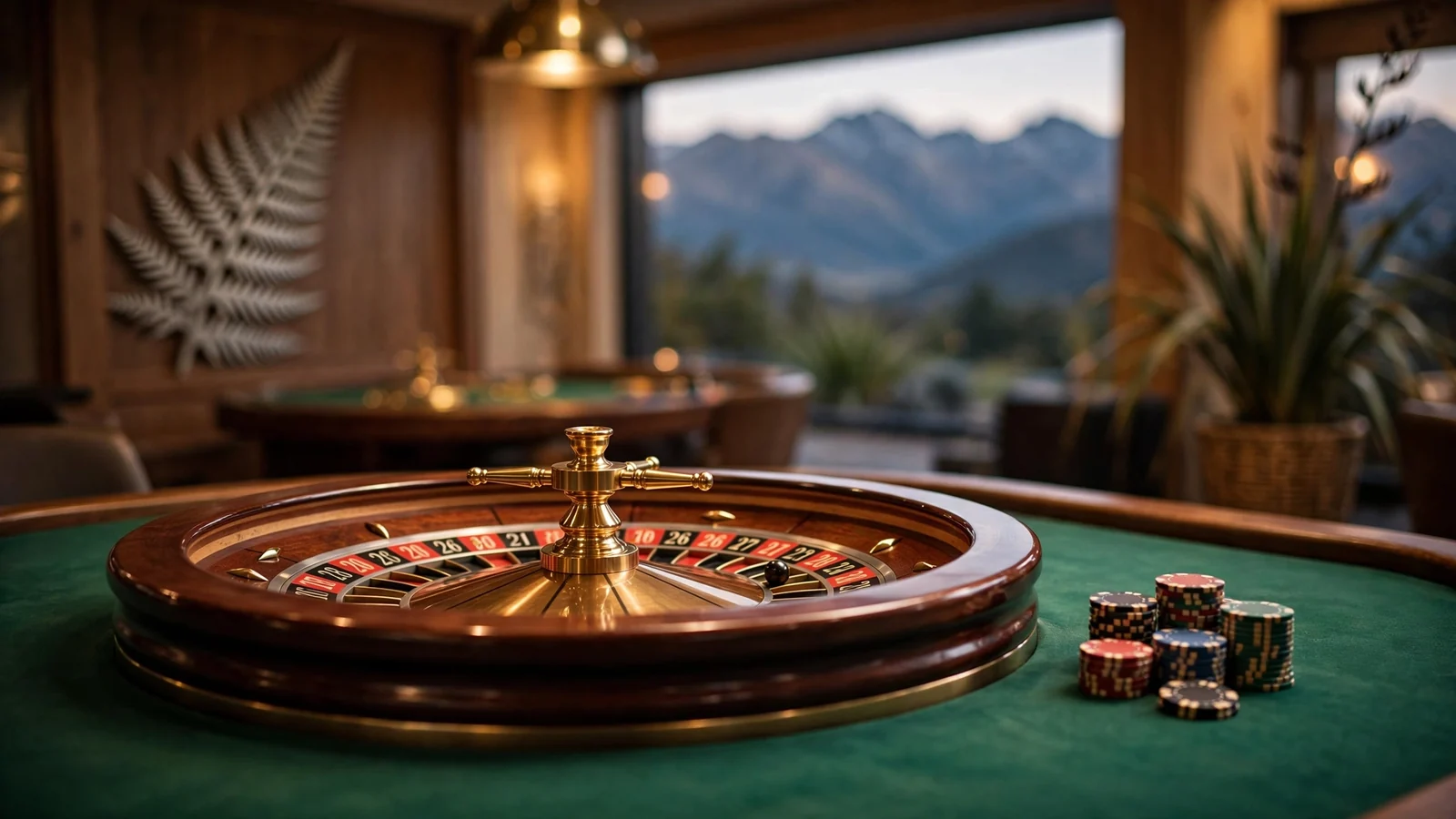
You can play blackjack online for real money through a suitable online casino, but the choice between an app and a browser is only one part of the decision. The game may be RNG or live dealer whichever access route you use. A faster software game and a slower live table offer different experiences; neither removes the need to understand what you are opening and what each hand will cost at the displayed minimum.
Blackjack Side Bets, Payouts and the Meaning of “House Money”
“House money” is a familiar way to describe winnings you have kept in play rather than withdrawn. It may feel separate from your own funds, but once it is wagered, it is still at risk. The same applies to any side bet shown at a table: the label does not make a stake safer, and the presence of an extra wager does not establish that it is worthwhile. Check the rules and payout terms displayed for the specific game before staking money.
A natural blackjack payout is one detail worth checking. A specialist review reports that some tables pay 3:2 for a natural, while others pay 6:5. Those are different returns for the same outcome; the table’s stated payout, not a general assumption, tells you what applies. A payout label also does not mean that a hand is guaranteed to produce a net gain overall.
Surrender is different from a side bet. Where a table offers it, surrender lets you give up the hand and forfeit half your original bet. That is a choice about the existing wager, not an additional way to win. Whether it is available depends on the table rules, so do not assume the option appears in every game.
Once winnings are wagered, they are at risk just like your original funds.
These distinctions matter whether you are playing on a phone or another device. An iPhone does not change what “house money” means, alter a table’s payout, or remove the risk attached to a wager. Before you play, read the terms shown for the main game and any optional wager separately. Keep the displayed payout in view, and treat money you have won with the same care as money you brought to the table: either can be lost when you bet it.
Keeping Real-Money Blackjack Within a Set Budget
Before you play, decide what amount you can afford to lose without affecting bills, food, transport, savings or other commitments. Treat it as entertainment spending, not money set aside for an expected return. Keep it separate from funds you need for everyday life, and stop when the amount is gone rather than transferring more in response to a loss.
A spending limit is useful only if it is set before a session and respected while you are playing. You can also choose a time to stop, since continuing for longer than planned can make it harder to keep track of what you have spent. A win does not make the next bet safer, and a losing session does not create a reason to chase the money back.
If you are considering a bonus, read its terms before accepting it. A specialist review notes that bonuses can come with wagering rules and restrictions on which games count. That can affect when bonus-related funds can be withdrawn or whether blackjack play qualifies. Do not treat a displayed bonus balance as cash you can freely use; check the conditions and consider whether they fit your plans.
Keep a simple record of what you spend, including money used across separate sessions. If you find yourself using money meant for other purposes, borrowing to continue, or repeatedly exceeding the amount you set, pause rather than trying to solve the problem with another session. The boundary matters more than the size of any single bet: real-money blackjack should never displace the expenses and responsibilities you have already committed to.

Live Blackjack: Real Cards, Streaming Delays and Data Use
With live blackjack, a dealer handles actual cards while you follow the table through an online interface. The video shows the round, and on-screen information lets you make permitted decisions. You are not watching software generate a simulated deal: the physical table and the online display are connected by a stream.
That distinction matters when the connection is delayed. What you see may not arrive at the same moment as the action at the table, so a pause or lag can interrupt the flow of a hand. If the stream stutters, rely on the information displayed in the game rather than assuming the video is showing events in real time. A stable connection can make the experience easier to follow, but it cannot remove every delay between the table and your screen.
The pace and cost can also differ from software-based blackjack. A specialist review notes that live tables may have higher bets, so check the displayed stake before joining rather than assuming it matches a software table. Live play also uses more mobile data than a simple software game. One specialist review estimates consumption at 500MB to 1GB per hour; actual use can vary with the stream and connection. If you are not on Wi-Fi, that may matter to your data allowance.
For Kiwis considering real-money live blackjack, the appeal is the dealer-led table experience, not a promise of better outcomes. It involves video, actual cards and a continuing stream, so it may be less suitable when your connection is unreliable or your data is limited. Software-based blackjack is generated by an RNG and does not depend on watching a live table. Choose the format that fits your connection and the amount you are comfortable spending, and check the table’s displayed terms before you take a seat.
Is playing live blackjack online legal in New Zealand?
Yes, you can gamble online in New Zealand if the casino is based overseas, not in New Zealand. The 2026 licensing framework and transition provisions also affect which providers may operate.
Can you beat online blackjack by counting cards?
It is theoretically possible at live-dealer tables when they use manual shoes and deal deep into the deck, but practical barriers are significant. Online RNG blackjack uses software shuffles, so card counting is not a practical approach there.
How does the Online Casino Gambling Act 2026 affect online blackjack?
The Act, which came into force on 1 May 2026, created a licensing system of up to 15 licences for online casino gambling. The Department of Internal Affairs oversees the framework and allocates licences, while the Gambling Commission issues them and approves changes to licence conditions.
How does live dealer blackjack work?
A dealer conducts the game using actual cards while you make permitted decisions through an online interface, with video and on-screen information showing the round. You can typically hit, stand, double down or split; live games may have streaming delays and higher minimum bets than RNG games.
Which rules should I use when checking a blackjack example?
Check the number of decks, whether the dealer hits or stands on soft 17, whether surrender is allowed, and the blackjack payout. A 3:2 payout is common, while some tables pay 6:5.
Prepared by the Casino Expert NZ editorial staff.